Startup Operations: The Strategic Engine Behind Every Bold Brand
In the startup world, vision gets the spotlight, but operations are what make it all work. They’re the invisible architecture that transforms ambition into execution, chaos into clarity, and momentum into scale. Whether you're launching a skincare brand, building a wellness platform, or scaling a lifestyle tech product, operational excellence is what separates fleeting hype from lasting impact.
This guide dives deep into the anatomy of startup operations: what they are, why they matter, and how to build them with intention from day one.
What Are Startup Operations?
Startup operations refer to the systems, processes, and workflows that support the day-to-day functioning and long-term growth of a business. They touch every part of the organization, from product development and customer service to finance, HR, and marketing.
Core Components of Startup Operations
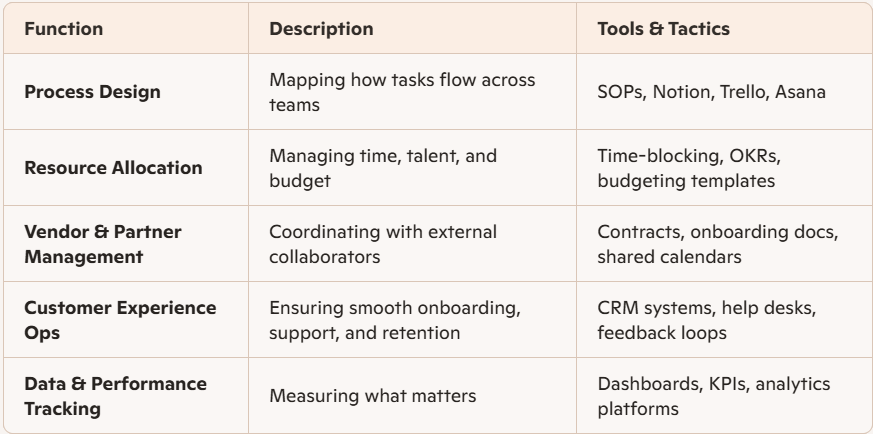
Operations are not just about efficiency; they’re about alignment. They ensure that every team member, tool, and tactic is moving in the same direction.
Building Operational Foundations from Day One
Startups often prioritize speed over structure. But without operational clarity, speed becomes unsustainable. Here’s how to build a strong foundation early:
1. Document Everything, Even If It’s Messy
Start with simple process outlines: how you onboard clients, launch campaigns, or handle feedback.
Use collaborative tools like Notion or Google Docs to create living documents.
Include decision-making criteria to reduce bottlenecks.
2. Design for Agility, Not Perfection
Build workflows that can evolve. Use modular systems that allow for quick pivots.
Avoid over-engineering. A good rule: if a process takes more time to manage than to execute, simplify it.
3. Automate Repetitive Tasks
Identify tasks that happen more than twice a week; these are prime candidates for automation.
Use tools like Zapier to connect apps (e.g., auto-send a Slack message when a new lead fills out a form).
Automate reminders for payments, approvals, and follow-ups to reduce manual chasing.
4. Hire for Range, Not Just Role
Early hires should be comfortable wearing multiple hats.
Look for people who can toggle between strategy and execution, especially in marketing, ops, and client services.
Build a culture of “ownership over title.”
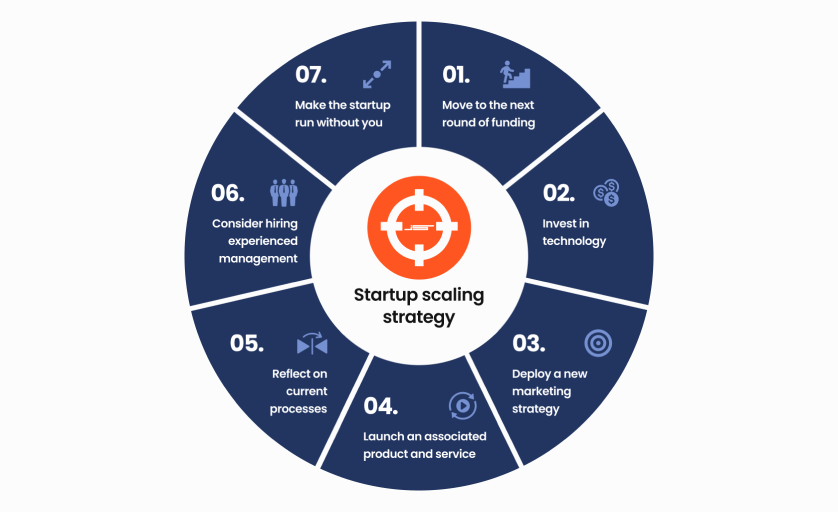
Source: Integrio
Scaling Operations Without Losing Soul
As your startup grows, operations must evolve, but they should never become rigid or bureaucratic. Here’s how to scale with intention:
1. Create Operational Playbooks
Develop playbooks for recurring activities: campaign launches, client onboarding, asset requests.
Include tone/style guidelines for communications, especially useful in brand-sensitive sectors like beauty and wellness.
Make them accessible and editable. Encourage feedback and iteration.
2. Build Feedback Loops Into Everything
Internal: Weekly retros, anonymous team surveys, performance reviews.
External: Customer feedback forms, NPS scores, post-purchase surveys.
Use feedback to refine processes, not just products.
3. Track What Matters—And Ignore the Rest
Choose 3–5 core metrics that reflect your brand’s mission and momentum.
Examples: Customer retention rate, campaign ROI, average response time, asset delivery speed.
Use dashboards to visualize progress and spot bottlenecks.
4. Protect Culture Through Operational Rituals
Create rituals that reinforce values: Monday kickoffs, Friday wins, monthly town halls.
Operationalize empathy, build systems that support mental health, flexibility, and recognition.
Culture isn’t just HR’s job. It’s embedded in how you run meetings, manage deadlines, and resolve conflicts.
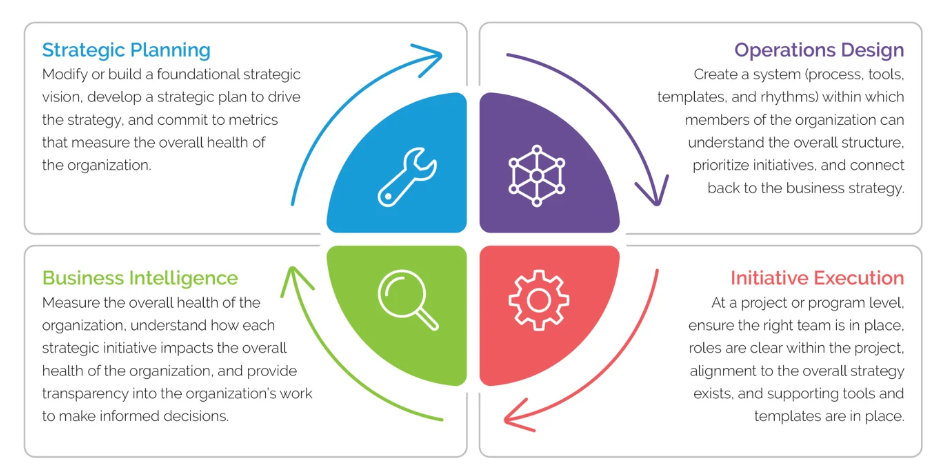
Advanced Ops: Strategic Levers for Growth
Once the basics are in place, operations become a strategic lever, not just a support function.
1. Revenue Operations (RevOps)
Align sales, marketing, and customer success under one operational umbrella.
Use shared KPIs and centralized data to drive cross-functional decisions.
Ideal for startups with subscription models or high-touch client relationships.
2. Project Management as Brand Management
Treat every campaign like a mini product launch.
Use Gantt charts or Kanban boards to visualize timelines and dependencies.
Include tone/style checkpoints to ensure brand consistency across assets.
3. Operational Risk Management
Identify potential risks: delayed feedback, asset bottlenecks, and payment delays.
Create contingency plans and escalation protocols.
Use scenario planning to prepare for market shifts or team changes.
Source: Spur Reply
Operations as a Creative Act
Operations aren’t just about control, they’re about choreography. They’re the rhythm section of your startup band, keeping everyone in sync while allowing solos to shine. When done well, operations empower teams to move faster, think bigger, and stay aligned with purpose.
In industries like beauty, wellness, and lifestyle, where brand experience is everything, operational excellence is not optional. It’s the difference between a brand that launches and one that lasts.